Faridabad
08048034928
+919871808454

polycab cables and wires

6814772a5d263414004dd4a4 Card 2

product image
Polycab Cables and Wires

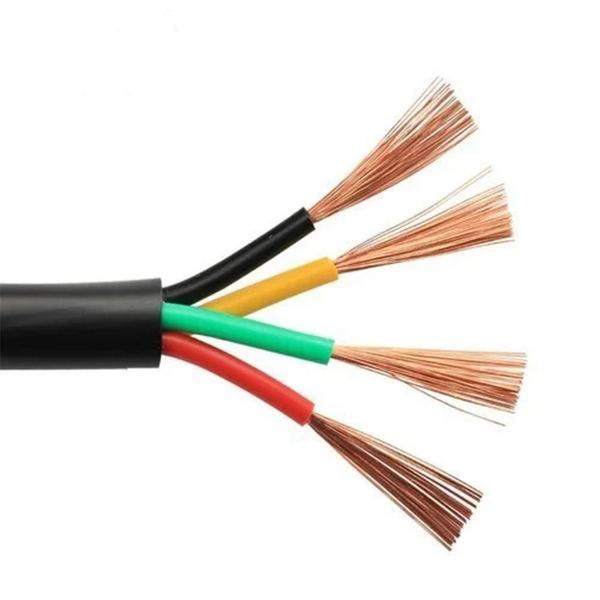
Copper flexible wire refers to a type of electrical wire that is made of copper and designed to be flexible and easily bendable. Copper is widely used in electrical applications due to its excellent electrical conductivity and resistance to corrosion. Flexible wires are often used in situations where a rigid wire would be impractical or where flexibility is necessary. They are commonly employed in applications such as electrical appliances, automotive wiring, electronic devices, and various industrial uses. The flexibility of copper flexible wire allows for easier installation in tight spaces and around corners. It also enables the wire to withstand vibrations, movements, and bending without breaking or damaging the electrical connection. Copper flexible wire is available in different gauges or thicknesses, allowing it to handle varying levels of electrical current. It is typically insulated with a protective covering to provide electrical insulation and safeguard against potential short circuits or electrical hazards. Overall, copper flexible wire is a versatile and reliable option for various electrical applications, offering both excellent conductivity and flexibility.

6814772a5d263414004dd4a4 Card 2

product image
Polycab Cables and Wires

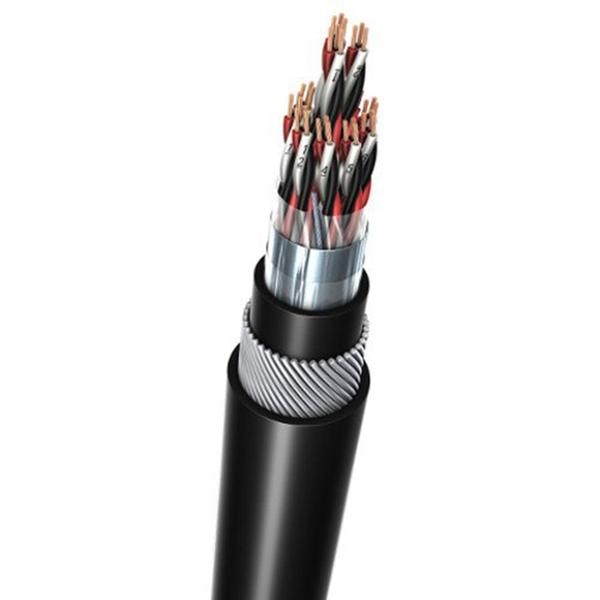
LT power and control cables, also known as low tension power and control cables, are electrical cables designed for use in low voltage applications. These cables are commonly used in various industries, buildings, and infrastructure projects to transmit power and control signals. Here are some key features and characteristics of LT power and control cables: Voltage Rating: LT cables are designed for low voltage applications, typically up to 1 kV (kilovolt) or below. They are suitable for transmitting power and control signals in residential, commercial, and industrial settings where high voltage is not required. Conductor: The conductors in LT cables are typically made of copper or aluminum. Copper conductors offer better conductivity and are more commonly used in LT cables. Aluminum conductors are used in some applications where weight and cost considerations are important. Insulation: LT cables have multiple layers of insulation to provide electrical insulation and protect the conductors. The insulation materials commonly used include PVC (Polyvinyl Chloride), XLPE (Cross-Linked Polyethylene), or EPR (Ethylene Propylene Rubber). XLPE is preferred for its superior electrical and thermal properties. Shielding: In some cases, LT power and control cables may feature shielding to protect against electromagnetic interference (EMI) and ensure signal integrity. The shielding is typically made of aluminum or copper, and it can be in the form of a metallic foil or a braided wire. Core Configuration: LT cables can have single-core or multi-core configurations. Single-core cables consist of a single conductor surrounded by insulation, while multi-core cables have multiple conductors insulated from each other. Multi-core cables are commonly used for applications requiring separate control signals or multiple power circuits. Armoring: In certain scenarios where mechanical protection is necessary, LT cables may be armored with steel wires or tapes. Armored cables provide additional strength and resistance against physical damage, making them suitable for underground installations or areas with high mechanical stress. Sheathing: LT cables have an outer sheath that protects the internal components from moisture, chemicals, and mechanical damage. The sheath is typically made of PVC, LSZH (Low Smoke Zero Halogen), or other suitable materials depending on the specific application requirements. LT power and control cables are available in various sizes, configurations, and insulation types to meet different installation and operational needs. It’s important to select the appropriate cable based on factors such as voltage requirements, environmental conditions, mechanical stress, and regulatory standards to ensure safe and reliable electrical connections.

6814772a5d263414004dd4a4 Card 2

product image
Polycab Cables and Wires

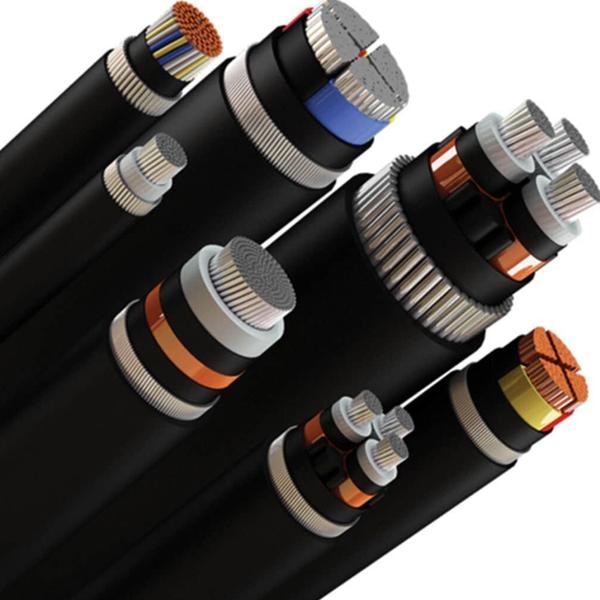
An HT (High Tension) power cable, also known as a high-voltage cable or extra-high-voltage cable, is designed to transmit electricity at high voltages. These cables are used in power transmission and distribution systems to transport electrical energy over long distances, typically from power plants to substations or between different substations. HT power cables are designed to withstand the high electrical stresses and provide efficient and reliable transmission of electricity. They are insulated with materials that have high dielectric strength to prevent leakage and breakdown of electrical current. The most commonly used insulation materials for HT power cables are cross-linked polyethylene (XLPE) and ethylene propylene rubber (EPR). The voltage rating of HT power cables can vary, but they are typically used for transmission and distribution of electricity at voltages ranging from 66 kV (kilovolts) up to several hundred kilovolts. In some cases, high-voltage direct current (HVDC) cables are used for even higher voltages and long-distance transmission. HT power cables consist of one or more conductors, which are usually made of copper or aluminum, depending on the application. The conductors are insulated and often shielded to minimize electrical interference and protect against external influences. These cables are manufactured in various configurations, including single-core and multi-core designs. Single-core cables are commonly used for high-voltage transmission lines, while multi-core cables are used for distribution networks and underground installations. HT power cables play a critical role in the reliable and efficient transmission of electricity, enabling the distribution of power over long distances with minimal losses. They are an essential component of the electrical infrastructure that powers our cities, industries, and homes.

6814772a5d263414004dd4a4 Card 2

product image
Polycab Cables and Wires

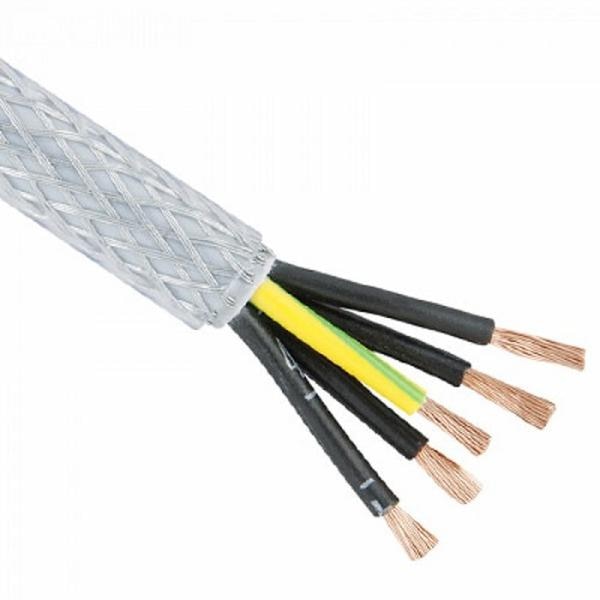
Steel braided flexible wires, also known as braided cables or braided wire assemblies, are electrical cables that feature a flexible outer covering made of braided steel wire. These cables are commonly used in various applications where flexibility and durability are required, such as in automotive, aerospace, industrial machinery, and electronic equipment. The construction of steel braided flexible wires typically involves a central conductor, such as copper or aluminum, which carries the electrical current. This conductor is surrounded by one or more layers of insulation materials, such as PVC (Polyvinyl Chloride) or PTFE (Polytetrafluoroethylene), to provide electrical insulation and protect against environmental factors. The outermost layer of the cable consists of braided steel wire. This braiding serves multiple purposes. First, it provides mechanical protection to the underlying layers, enhancing the cable’s durability and resistance to wear and tear. Second, the steel braiding offers excellent flexibility, allowing the cable to bend and twist without compromising its electrical integrity. The braided design also helps in reducing electromagnetic interference (EMI) and radio frequency interference (RFI) by acting as a shield against external electromagnetic signals. The steel braided flexible wires come in various configurations, including single-core and multi-core designs. Single-core cables have a single conductor within the braided steel sheath, while multi-core cables consist of multiple conductors individually insulated and then bundled together before being covered by the steel braiding. These cables are often terminated with connectors or fittings that enable easy connection to electrical devices or power sources. The type of connectors used can vary depending on the specific application and industry requirements. Steel braided flexible wires are known for their robustness, resistance to mechanical stress, and high flexibility, making them suitable for demanding environments. They are commonly used in applications such as power transmission, control systems, signal transmission, and as wiring harnesses in vehicles. When working with steel braided flexible wires, it is important to handle them carefully and avoid damaging the outer steel braiding, as it can affect the cable’s overall performance and protection capabilities.

Phone Number

08048034928

Please keep 0 before dialling the number.

Mon-Thu: 10 AM - 2 PM • Fri: 3 PM - 7AM

Address PLOT NO. 9C, Dabua Pali Rd, near Shri Rajesh Dharam Kanta, opp. Shiv Mandir, Bajri, Industrial Area, NIT, Faridabad, Haryana 121004

Faridabad, India, 121001