Thank you for writing to us. One of our executive will reach back to you through your submitted medium. In case there’s an urgency, feel free to connect over WhatsApp for faster response.
Prefer calling? Dial +9108048034928 (International callers) or 08048034928 (Indian callers).
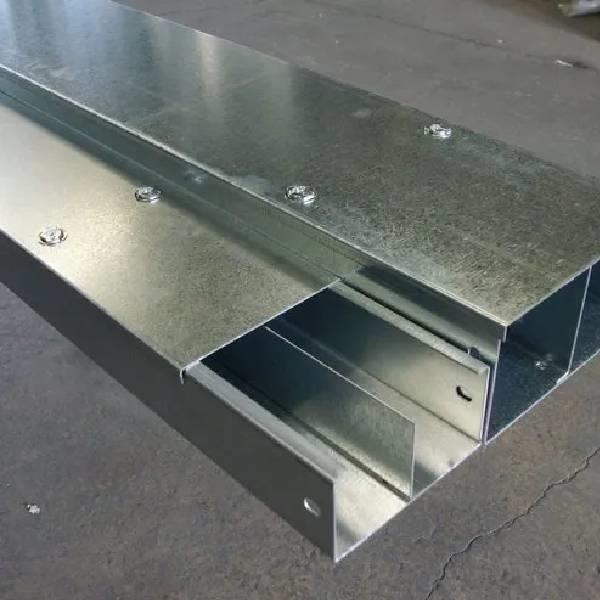
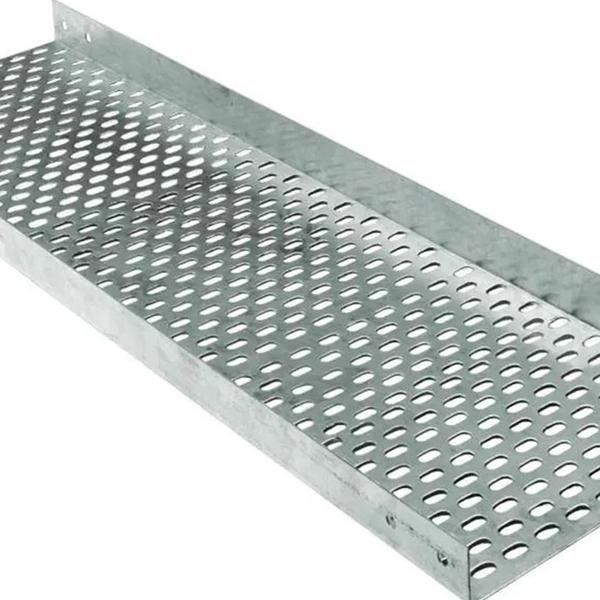
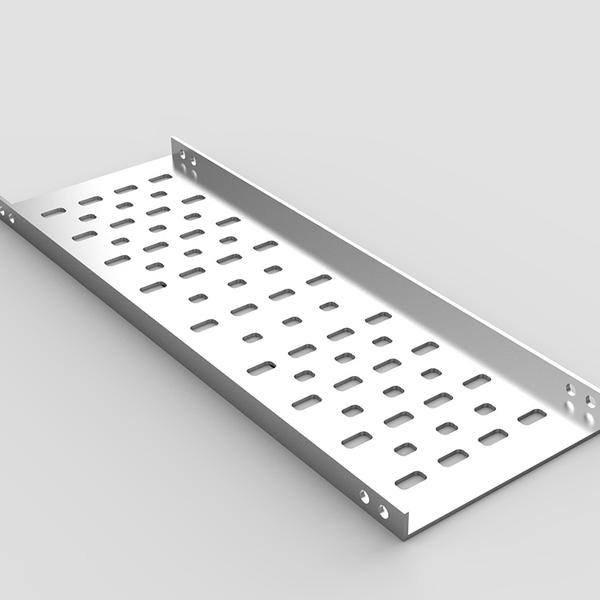
The GI Raceway Type Tray is a durable and efficient solution for managing and protecting electrical cables in industrial, commercial, and residential installations. Made from galvanized iron (GI), this tray type is highly resistant to corrosion, making it ideal for both indoor and outdoor use. Its raceway design ensures organized routing of wires, reducing clutter and enhancing safety. The enclosed structure offers added protection against physical damage, dust, and moisture, while allowing for easy accessibility during maintenance or upgrades. GI Raceway Type Trays are available in various sizes and configurations to suit different installation needs. They can be mounted on walls, ceilings, or under raised floors, offering flexible and space-saving cable management. With their robust construction and long-lasting performance, GI Raceway Trays are a reliable choice for projects requiring secure and neat cable pathways. They also comply with standard safety and quality regulations, ensuring dependable performance in demanding environments.
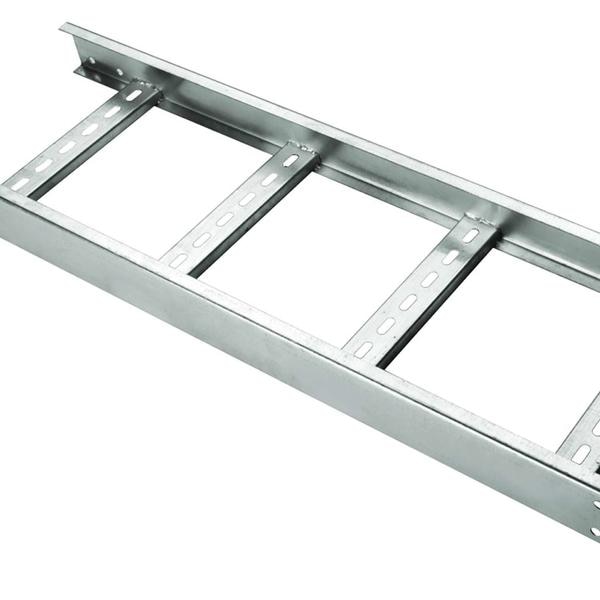
Ladder type cable tray is a type of cable management system used for supporting and organizing electrical cables and wires in various industrial and commercial installations. It is named after its resemblance to a ladder due to its structure consisting of parallel side rails connected by rungs.
Here are some key features and aspects of ladder type cable trays:
Structure: Ladder type cable trays are typically made of metal, such as steel or aluminum, although fiberglass reinforced plastic (FRP) variants are also available. The side rails are usually formed from folded metal sections, creating a ladder-like appearance.
Rungs: The rungs of the cable tray are horizontal cross members that connect the side rails. They provide support for the cables and maintain proper spacing and separation between them. The rungs are often perforated or solid, depending on the specific application and requirements.
Ventilation: Ladder type cable trays offer good ventilation and airflow around the cables due to their open design. This feature helps dissipate heat generated by the cables, preventing overheating and maintaining their performance and lifespan.
Cable Support: The open structure of ladder type cable trays allows for easy installation and removal of cables at any point along the tray’s length. Additionally, they provide ample space for managing large quantities of cables, making them suitable for heavy-duty applications.
Accessories: Various accessories can be used with ladder type cable trays to enhance their functionality. These include bends, tees, intersections, reducers, covers, and dividers, among others. Accessories enable the tray system to adapt to different layouts, directions, and cable routing requirements.
Installation: Ladder type cable trays can be mounted on walls, suspended from ceilings, or supported by floor stands or other structures, depending on the installation environment and specific needs. The trays are typically connected using couplers or connectors to create longer runs or make directional changes.
Application: Ladder type cable trays are commonly used in industrial settings, such as power plants, manufacturing facilities, refineries, and warehouses. They are also suitable for commercial buildings, data centers, and telecommunications installations where large amounts of cabling need to be organized and supported.
It’s important to note that when designing and installing cable tray systems, it’s necessary to follow applicable electrical codes, standards, and safety guidelines to ensure proper cable management and minimize any risks associated with electrical installations.
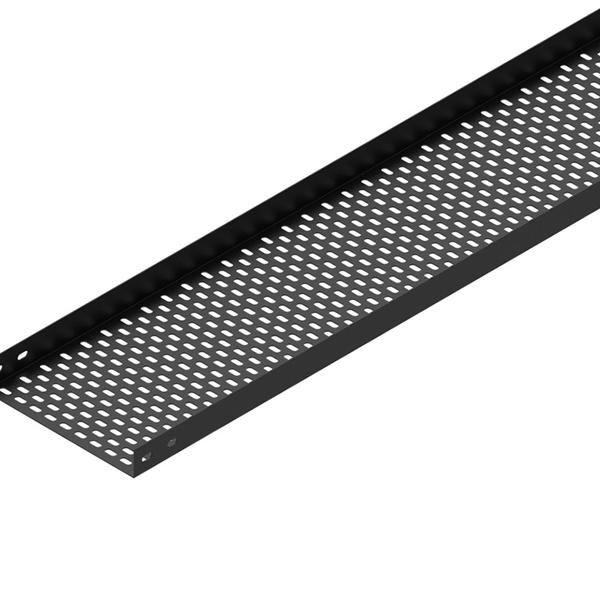
MS Powder Coated Perforated Cable Tray refers to a type of cable management system used in electrical installations. Let’s break down the term:
MS: MS stands for “Mild Steel,” which is a type of low-carbon steel that is commonly used in various applications due to its strength and affordability. In the context of cable trays, MS refers to the material used to construct the tray.
Powder Coated: Powder coating is a finishing process applied to metal surfaces to enhance their durability and appearance. In this case, the MS cable tray is coated with a layer of powdered paint that is electrostatically applied and then cured under heat to create a hard and smooth finish. Powder coating provides protection against corrosion and improves the tray’s resistance to wear and tear.
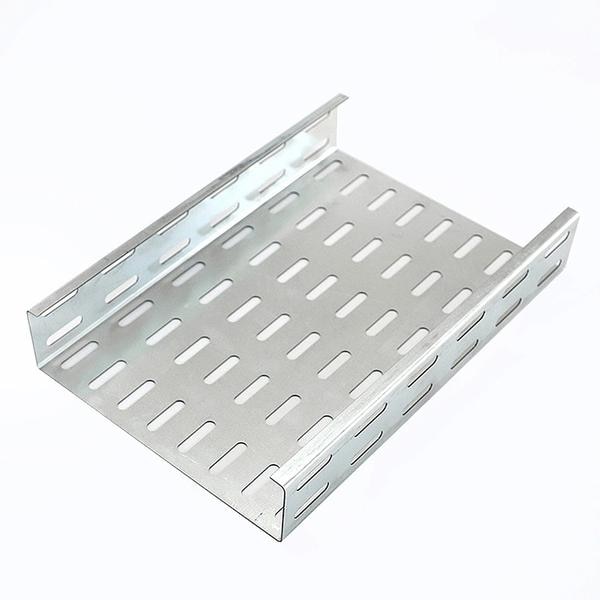
Perforated: Perforated cable trays have a series of regularly spaced holes or slots along their length and width. These perforations serve multiple purposes. They allow for better airflow around the cables, which helps dissipate heat generated by the electrical currents. Perforations also enable easy installation and removal of cables, as they provide access points for securing and organizing the wiring.
In summary, an MS Powder Coated Perforated Cable Tray is a cable management system made of mild steel, coated with a powder finish for added protection, and featuring regularly spaced holes or slots to facilitate cable installation, airflow, and maintenance. It is commonly used in electrical installations to organize and support cables, ensuring efficient and safe routing of power and communication wires.
A MS Painted Perforated Cable Tray is a type of cable management system used to support and organize cables in various industries, such as electrical, telecommunications, and data centers.
A cable tray is a metal or plastic structure with an open design that allows cables to be routed and supported along their length. Perforated cable trays have small holes or slots punched into their surfaces, which provide ventilation and allow for airflow around the cables.
The term “MS Painted” refers to the tray being coated with a layer of paint using a method called MS (Mild Steel) painting. This process involves cleaning the surface of the tray, applying a primer to promote adhesion, and then applying a layer of paint for protection and aesthetics. The paint helps to prevent corrosion and enhances the overall appearance of the cable tray.
MS Painted Perforated Cable Trays are available in various sizes, materials, and configurations to accommodate different cable routing requirements. They are typically installed overhead or along walls to support and organize cables, allowing for easy access, maintenance, and expansion of the cable network.
It’s worth noting that while MS Painted Perforated Cable Trays are a common choice, other materials such as stainless steel and aluminum can also be used for cable trays, depending on the specific application and environmental conditions.
Pre-galvanized perforated cable tray refers to a type of cable management system used for organizing and supporting electrical cables in various commercial and industrial settings. The term “pre-galvanized” indicates that the cable tray is coated with a layer of zinc before the perforation process.
Cable trays are metal structures with a grid-like pattern of perforations or openings, allowing for proper ventilation and cable management. The perforations facilitate the routing of cables and provide a means for securing them in place using cable ties or other fastening methods.
The pre-galvanized coating serves as a protective layer, preventing the underlying metal from corrosion and rust. Galvanization involves immersing the tray in a bath of molten zinc, which forms a bonded layer on its surface. This coating enhances the cable tray’s durability and makes it suitable for various environments, including indoor and outdoor applications.
Pre-galvanized perforated cable trays are available in different sizes, shapes, and configurations to accommodate various cable management requirements. They are commonly used in areas such as data centers, industrial facilities, commercial buildings, and telecommunications installations.
These cable trays offer several advantages, including:
Cable Protection: The perforated design allows for proper airflow, preventing heat buildup and minimizing the risk of cable damage due to excessive temperatures.
Cable Management: The openings in the tray enable efficient cable routing, organizing and separating different types of cables for easy identification and maintenance.
Durability: The pre-galvanized coating provides excellent corrosion resistance, ensuring the cable tray’s longevity, even in harsh environments.
Easy Installation: Pre-galvanized perforated cable trays are designed for simple installation, typically using brackets, supports, and fittings. They can be easily cut, bent, or adjusted to fit specific requirements.
Overall, pre-galvanized perforated cable trays offer a robust and reliable solution for cable management, ensuring the safety and efficiency of electrical installations by providing a structured pathway for cables while protecting them from damage.
Hot-dipped galvanized perforated cable trays are a type of cable management system commonly used in industrial and commercial buildings to support and organize electrical and networking cables. The cable trays are made from steel sheets that have been perforated with small holes to allow for cable routing and ventilation.
The hot-dipped galvanization process involves immersing the steel trays in a bath of molten zinc, creating a protective coating that helps prevent corrosion and extends the lifespan of the cable tray. This makes them suitable for use in various environments, including outdoor and corrosive areas.
Perforated cable trays are designed with a pattern of evenly spaced holes along the length and width of the tray. These holes allow for easy installation of cables and provide ventilation to dissipate heat generated by the cables. The perforations also allow for visibility and accessibility, making it easier to inspect and maintain the cables.
Hot-dipped galvanized perforated cable trays come in various sizes and configurations to accommodate different cable capacities and installation requirements. They are typically available in straight sections, fittings, and accessories, allowing for customized installations based on the specific needs of the project.
Some advantages of hot-dipped galvanized perforated cable trays include:
Corrosion resistance: The galvanized coating protects the trays from rust and corrosion, making them suitable for both indoor and outdoor applications.
Strength and durability: The steel construction provides a sturdy and robust structure that can support heavy loads of cables over long spans.
Ventilation and heat dissipation: The perforations allow for airflow, preventing the buildup of heat within the cable trays and minimizing the risk of overheating cables.
Easy installation and customization: The perforations make it convenient to secure and route cables within the tray. The various sizes and accessories available enable customization to fit specific installation requirements.
Accessibility and maintenance: The open design of perforated cable trays allows for easy access to cables for inspection, troubleshooting, and maintenance purposes.
Hot-dipped galvanized perforated cable trays are widely used in industrial plants, data centers, commercial buildings, and other locations where cable management and organization are essential. They offer a reliable solution for protecting and routing cables while ensuring efficient airflow and maintaining a neat and organized environment.